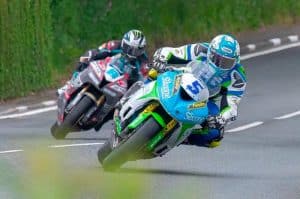
Known as “the Friendly Races”, the Southern 100 is smaller, more intimate, and deeply rooted in the community, yet it delivers all the thrill and spectacle of world-class road racing.
Whether you’re planning to visit for the first time or you’re simply curious, this guide explains everything you need to know about the Southern 100.
A Brief History of the Southern 100
The Southern 100 first took place in 1955 on the Billown Circuit, a 4.25-mile road course on the outskirts of Castletown. The event was born from the enthusiasm of local organisers who wanted to bring top-class racing to the south of the island.
It quickly established itself as a highlight of the road racing calendar. Over the years, legends such as Joey Dunlop, Ian Lougher, Guy Martin, Michael Dunlop and Dean Harrison have all raced here, with the circuit producing countless thrilling battles and unforgettable moments.
Today, the event continues to attract leading road racers and rising stars, while keeping its down-to-earth, welcoming character.
The Billown Circuit
The Billown Circuit is a 4.25-mile triangular course made up of public roads that are closed for racing. It starts and finishes on the Castletown Bypass, with the race HQ and paddock based nearby at Castletown Stadium.
The course runs through fast straights, sweeping bends, and tight corners, including:
- Ballakeighan – the first fast right-hander after the start.
- Cross Four Ways – a challenging crossroads where overtaking is common.
- Church Bends – a flowing left-right section lined with stone walls and hedges.
- Great Meadow Straight – a rapid run back towards Castletown before the final turns.
The compact nature of the circuit means fans are always close to the action — you can see, hear and feel the bikes flash by just metres away.
Why It’s Called “The Friendly Races”
The Southern 100 is famous for its relaxed, approachable atmosphere. Unlike the TT, where the scale can feel overwhelming, the Southern 100 is intimate.
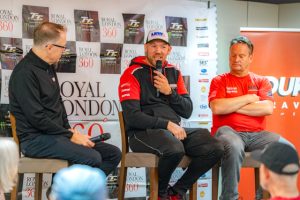
Fans can walk easily into the paddock, chat with riders and teams, and soak up the pre-race buzz. Marshals, locals, and visiting fans all mingle together, creating a community feel that you rarely find in modern motorsport.
This open, welcoming character is why it’s earned the nickname “the Friendly Races.”
When Does It Take Place?
The Southern 100 is held every July, usually across four days:
- Monday & Tuesday evenings: Practice and qualifying.
- Wednesday & Thursday afternoons/evenings: Racing, including solo and sidecar contests, with feature races such as the Southern 100 Solo Championship and the Sidecar Championship.
Because it runs mid-week, the Southern 100 has a slightly different atmosphere to the TT or Manx Grand Prix — less crowded, but still with all the drama and excitement of real road racing.
The Atmosphere
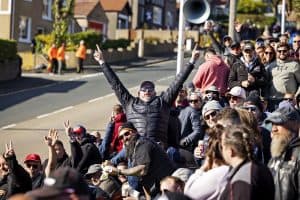
Castletown comes alive during race week. The Square fills with fans heading to and from the circuit, local pubs and cafés are buzzing, and the community fully embraces the event.
Compared to the TT, it’s easier to move around, easier to find a good spot, and easier to feel part of the racing family. There’s no doubt you’re watching elite riders at incredible speeds — but the vibe is as much about friendliness and accessibility as it is about competition.
Where to Watch
The Billown Circuit offers a fantastic variety of viewing points. Some of the best include:
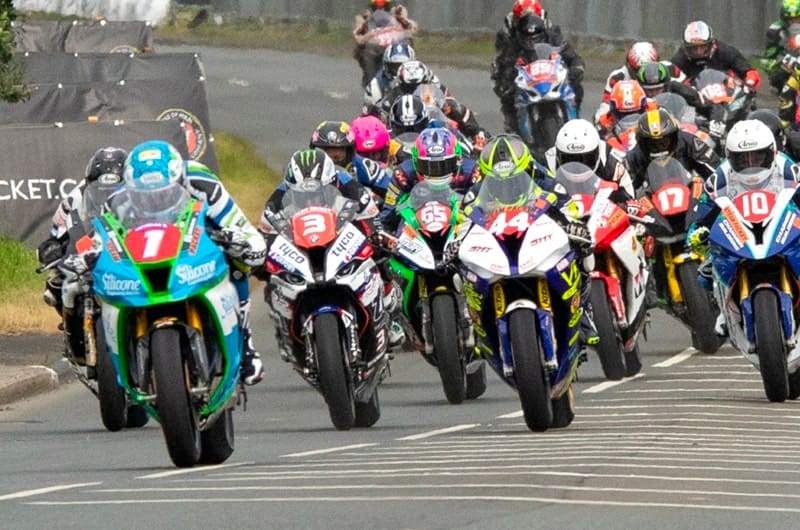
- Start/Finish (Castletown Bypass): See the grid form up, the lights go out, and the chequered flag wave. Grandstand seating is available here.
- Ballakeighan: The first corner after the start, a fast sweeping right where riders set the tone for the lap.
- Cross Four Ways: A tight, technical crossroads and one of the most dramatic overtaking spots.
- Church Bends: A flowing S-bend section, famous among fans and photographers.
- Great Meadow: The long straight back towards Castletown, where bikes hit blistering speeds.
- Castletown Square: While not trackside, this is the hub for food, drink, and atmosphere between sessions.
Top tip: arrive early, especially for evening sessions, as the best roadside spots fill quickly.
How to Get There
The Isle of Man is accessible by ferry from Liverpool, Heysham, Belfast and Dublin, and by air from regional UK and Irish airports.
Castletown is just 15 minutes from the Isle of Man Airport and around 25 minutes by road or rail from Douglas, the island’s capital. Local buses and the steam railway make it easy to get to the southern part of the island.
Where to Stay
Accommodation options include:
- Castletown & Port Erin/Port St Mary: Closest to the circuit, with B&Bs, small hotels and self-catering cottages.
- Douglas: Larger choice of hotels and good transport links.
- Glamping & Camping: Popular options for fans who want a full race-week atmosphere.
Specialist travel providers (like us!) offer Southern 100 packages, combining accommodation, transfers and race access — making it simple to enjoy the event stress-free.
Southern 100 vs the Isle of Man TT
While both are iconic, the two races offer very different experiences:
- Course length: TT Mountain Course is 37.73 miles; Southern 100 is 4.25 miles.
- Crowds: TT draws huge international audiences; Southern 100 is more compact and accessible.
- Atmosphere: TT is intense and high-profile; Southern 100 is relaxed, community-driven, and intimate.
- Access: Easier to meet riders, visit paddocks, and feel close to the action at the Southern 100.
For many fans, the Southern 100 feels like a throwback to the early days of the TT — authentic, raw, and personal.
Why You Should Go
The Southern 100 delivers:
- World-class racing at close quarters.
- A welcoming, fan-friendly environment.
- A chance to explore the Isle of Man’s southern highlights.
- Great value compared to larger events.
Final Thoughts
The Southern 100 may not have the global fame of the Isle of Man TT, but that’s exactly why so many fans treasure it. It’s thrilling, authentic, and approachable — a true celebration of road racing on the Isle of Man.
If you’re planning your first trip, expect roaring engines, warm hospitality, and memories that will last long after the chequered flag has fallen.