Travelling to the Isle of Man TT by Motorcycle: Ferries, Riding the Course and Where to Stay
For many motorcycle fans, the ultimate TT experience isn’t just watching the racing. It’s making the journey to the Isle of Man on your own bike.
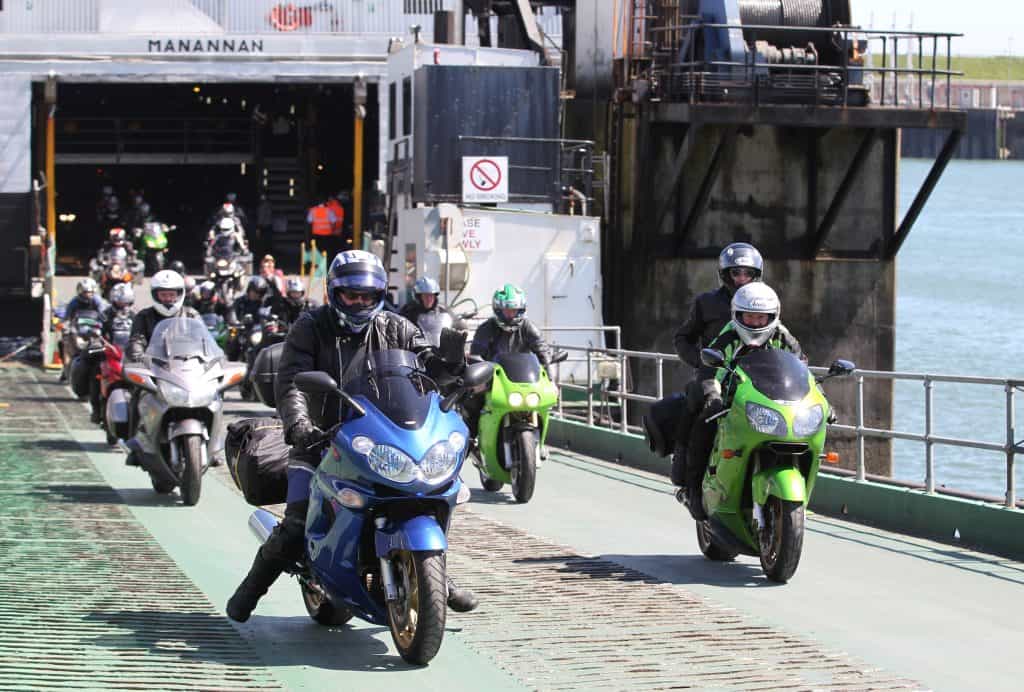
It starts at the ferry terminal. Motorcycles lined up waiting to board, riders chatting about where they’ve travelled from and the familiar sound of engines as boarding gets underway. Some are making their first trip to the TT, while others have been coming for years.
There’s already a sense of anticipation before the ferry has even left the harbour.
A few hours later, the Isle of Man comes into view. Douglas stretches along the bay, the hills rise behind the town and somewhere beyond them lies the famous 37.73-mile Mountain Course.
Before long, you’re riding off the ferry, joining hundreds of other motorcycles arriving for one of the greatest events in motorsport.
And the best part? When the roads are open, you can ride the very same course you’ve travelled all this way to watch.
If you’re thinking about bringing your motorcycle to the Isle of Man TT, here’s how to get here, what to expect and how to make the most of your visit.
The TT starts on the ferry
Bringing your motorcycle to the Isle of Man means travelling by ferry, with services operated by the Isle of Man Steam Packet Company.
Ferries sail from England, Northern Ireland and the Republic of Ireland, arriving at the Sea Terminal in Douglas.
For many TT visitors, the ferry journey has become part of the tradition. During the event, you’ll find motorcycles arriving from across the UK, Ireland and mainland Europe, all heading to the same destination.
Travelling from England: Heysham or Liverpool?
Heysham is a popular departure point for riders travelling from northern England, Scotland and the Midlands.
Located near Lancaster, the port is easily accessible from the M6 motorway. The crossing takes approximately 3 hours and 45 minutes, giving you a chance to relax after the ride to the terminal.
Heysham is served throughout the year and is one of the main routes used by visitors travelling to the TT.
Liverpool is another convenient option, particularly for those travelling from Wales, the Midlands and southern England.
The fast ferry crossing takes approximately 2 hours and 45 minutes, making it one of the quickest ways to reach the Island with your motorcycle.
Both ports are popular during TT fortnight, so it’s worth considering which works best for your journey and the sailing times available.
Travelling from Ireland: Dublin or Larne?
If you’re travelling from the Republic of Ireland, the seasonal Dublin ferry service provides a direct route to Douglas, with crossing times varying depending on the ship.
For riders from Northern Ireland, Larne offers a direct connection to the Island. The Larne service replaced the former Belfast Port route in 2026.
Sailing frequency varies, particularly from Ireland, so it’s important to check the ferry timetable before deciding on your travel dates.
Booking Your Motorcycle Ferry for the TT
Ferry travel during the Isle of Man TT is unlike most other times of the year.
Demand is exceptionally high, particularly for motorcycles, and popular sailings can fill well in advance of the event.
It’s worth planning early and considering alternative departure ports or travel dates if your preferred crossing isn’t available.
One option is to book a motorcycle package that combines your return ferry crossing with accommodation, rather than arranging everything separately.
What Is It Like Taking Your Motorcycle on the Ferry?
If it’s your first time travelling to the TT with your motorcycle, there’s nothing complicated about the ferry crossing.
When you arrive at the terminal, you’ll check in and join the queue for boarding.
During TT fortnight, the sight of hundreds of motorcycles waiting to board is something in itself. You’ll see everything from sports bikes and adventure bikes to touring motorcycles and classic machines.
Once boarding begins, ferry staff direct riders onto the vehicle deck and show them where to park.
Your motorcycle is secured for the crossing using suitable straps and equipment, with the crew providing instructions.
Before leaving the vehicle deck, remember to take anything you’ll need during the journey, as access is normally restricted once the ferry is at sea.
On board, there’s time to get something to eat, enjoy the crossing and meet other TT visitors.
It’s not unusual to strike up a conversation with somebody who has travelled hundreds or even thousands of miles to be there.
As the ferry approaches Douglas, you’ll start to see the Island’s coastline and the town ahead.
Once the vessel has docked, you’ll return to your bike and follow the crew’s instructions to disembark.
Within minutes, you’re riding through Douglas, where the TT atmosphere is already building.

Riding the Legendary TT Mountain Course on Your Own Motorcycle
For many visitors, riding the TT Mountain Course is one of the biggest reasons to bring their own bike.
The 37.73-mile course is made up of public roads that wind through towns, villages and open countryside before climbing onto the famous Mountain section.
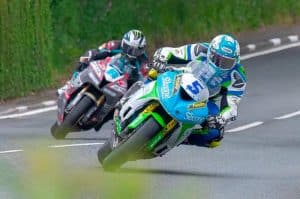
When they’re open to normal traffic, you can ride the same roads used by the world’s greatest road racers.
A lap begins at the TT Grandstand on Glencrutchery Road in Douglas.
From there, the course drops down Bray Hill before heading through Quarterbridge, Braddan Bridge and towards Ballacraine.
You’ll pass through Kirk Michael, over Ballaugh Bridge and along the fast roads towards Sulby, before reaching Ramsey.
These are names familiar to anyone who has followed the TT. But seeing them on television and riding them yourself are two very different experiences.
You begin to appreciate the changes in elevation, the variety of corners and how demanding the course must be at racing speeds.
The Mountain Road: A Ride Like No Other
From Ramsey Hairpin, the course begins its climb towards the Mountain.
The scenery changes as you leave the town behind, with the road winding upwards through the Gooseneck towards the Bungalow.
This is one of the most recognisable parts of the course, with open views across the northern plain and the slopes of Snaefell.
Continue towards Brandywell and Windy Corner, then past Kate’s Cottage and the famous Creg-ny-Baa before descending towards Douglas.
It’s a memorable road to ride, particularly if you’ve spent years watching the TT.
During the event, the Mountain Road is generally operated as a one-way route from Ramsey towards Douglas when open, subject to the published traffic arrangements.
Although some parts of the Mountain Course have no general speed limit, other sections have permanent or temporary limits, and traffic regulations still apply.
Remember that you’re riding on public roads, not a closed racing circuit. There will be other motorcycles, cars and local traffic, and conditions can change quickly.
The real enjoyment comes from experiencing the course itself, recognising the famous corners and appreciating just what makes this place so special.
Can You Ride the TT Course During TT Fortnight?
Yes. Visitors can ride the TT Mountain Course when it is open to normal traffic.
During qualifying and racing sessions, the course is closed to allow competitors to use the roads.
Once the roads officially reopen, members of the public can ride the route again.
This is one of the unique attractions of the Isle of Man TT. You can spend part of the day watching professional racers tackle the course, then ride sections of it yourself once the roads are open.
However, you’ll need to plan your riding around the event schedule.
During qualifying week, sessions often take place in the late afternoon and evening, leaving time to explore the Island earlier in the day.
During race week, road closures are generally longer, with racing taking place during the day.
Weather also plays an important part in the TT. Sessions can be delayed, postponed or rescheduled, which means road closure and reopening times can change.
Before setting off, always check the latest official road closure information, follow roadside instructions and allow enough time to reach your destination.
Don’t assume that a road will reopen at its originally scheduled time.
Qualifying Week or Race Week: Which Is Best for Motorcyclists?
If you’re planning to bring your own motorcycle to the TT, choosing when to visit is one of the most important decisions.
Both qualifying week and race week offer something different.
Qualifying Week: More Time to Ride
Qualifying week is a particularly good option for visitors who want to spend time exploring the Island on their motorcycles.
With many sessions scheduled for later in the day, there’s generally more opportunity to ride the Mountain Course and visit other parts of the Island before the roads close.
You can spend the morning riding, stop for lunch and then find somewhere to watch qualifying as the excitement builds towards the first race.
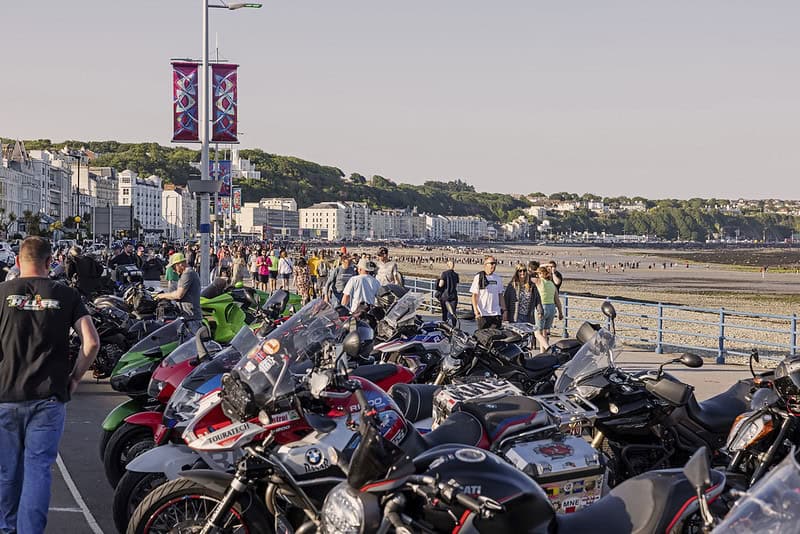
There’s still plenty happening around Douglas and the course, with motorcycles arriving throughout the week.
For riders who want to combine the atmosphere of the TT with the freedom to explore, qualifying week is well worth considering.
Explore Qualifying Week Motorcycle Packages
Race Week: Experience the Main TT Races
If you’re coming primarily to watch the racing, race week is where the excitement reaches another level.
The atmosphere around the Island builds as the first races get underway. The grandstands, popular viewing locations and towns are busy with visitors, and there’s a real sense of occasion.
Bringing your own motorcycle gives you the flexibility to travel to different areas of the Island between sessions, although you’ll need to pay close attention to road closures.
Popular periods include Superbike Weekend, the midweek races and the closing stages of the event, including the Senior TT.
Each offers a different experience, so it’s worth deciding which races matter most to you before choosing your travel dates.
Getting Around the Isle of Man During TT Week
One of the biggest advantages of bringing your own motorcycle is the freedom to explore.
The Isle of Man is approximately 33 miles long and 13 miles wide, so nowhere is particularly far away. However, journeys can take considerably longer during TT fortnight, especially when roads are closed for racing.
If you’re heading to a viewing location, plan your journey carefully.
Some viewing areas become inaccessible once the course closes, while others can be reached using roads outside the circuit.
It’s worth choosing where you want to watch the racing in advance and making sure you know how to get there and, importantly, how to leave afterwards.
Exploring Beyond the Mountain Course
If you have a few hours between sessions, there are plenty of places to visit away from the racing.
Take a ride west to Peel, with its harbour, castle and cafés, or head south through Castletown and Port Erin towards the Sound, where you can look across to the Calf of Man.
Laxey and Ramsey are also popular places to stop, and the Island’s quieter country roads offer some enjoyable riding away from the busier sections of the TT Course.
You don’t need to spend every hour watching racing to enjoy the TT.
Some of the best memories come from riding with friends, stopping for coffee, meeting fellow enthusiasts and discovering parts of the Island you haven’t seen before.
Where to Stay During the Isle of Man TT
Accommodation is another important part of planning your trip.
During the TT, hotels, guesthouses, campsites and other accommodation options are in extremely high demand.
Where you stay can also make a difference to your experience, particularly if you’re bringing a motorcycle.
Consider how close you’ll be to Douglas, the Mountain Course and the places you plan to visit.
It’s also worth thinking about motorcycle parking, the facilities available and whether your accommodation is affected by road closures.
Some riders prefer to stay close to the atmosphere in Douglas, while others are happy to base themselves elsewhere on the Island.
The important thing is finding accommodation that suits the way you want to experience the TT.
Make Your TT Journey Easier with Duke Travel
Organising a motorcycle trip to the Isle of Man TT can be challenging, particularly when you’re trying to secure ferry travel and accommodation for the same dates.
As an Isle of Man-based tour operator and Official Travel Partner of the Isle of Man TT Races, Duke Travel helps riders plan their trips to the Island.
Our TT motorcycle packages combine return ferry travel for you and your motorcycle with accommodation, taking care of two of the most important parts of your visit.
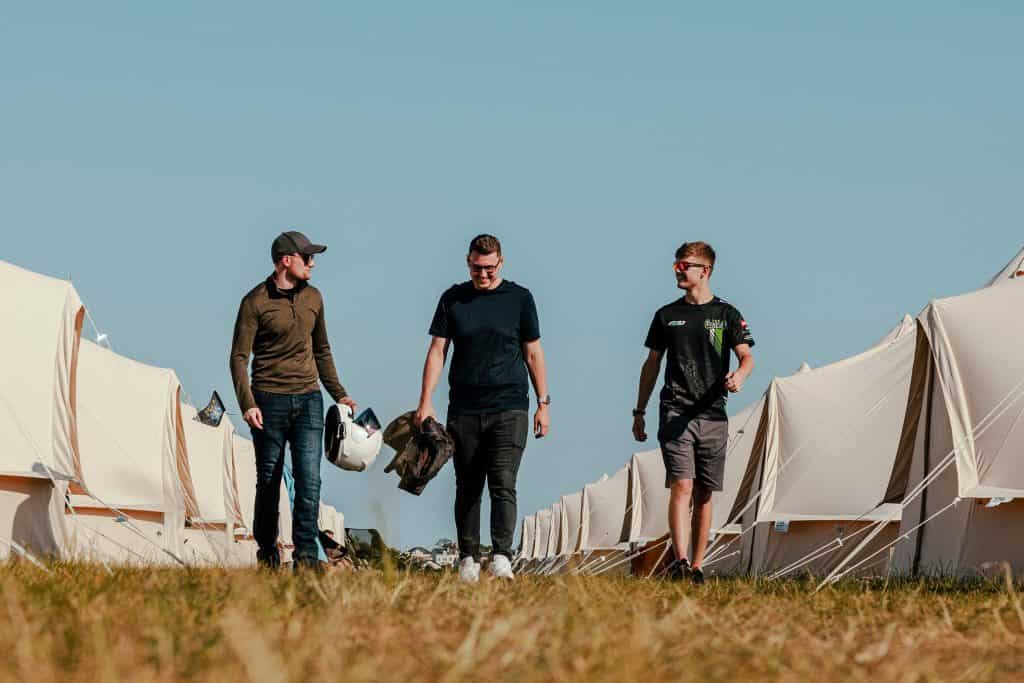
Choose from packages covering qualifying week, Opening Race Weekend, midweek racing and the Final Race Weekend with accommodation options including Duke TT Village and glamping.
Whether you’re travelling with a group of friends or planning your first visit, our local team can help you choose dates and accommodation that suit your plans.
You’ll still have the freedom to explore the Island on your own motorcycle, ride the Mountain Course when it’s open and experience the TT your way.
Frequently Asked Questions About Travelling to the TT by Motorcycle
Can I bring my own motorcycle to the Isle of Man TT?
Yes. You can bring your motorcycle to the TT on Steam Packet ferry services from Heysham, Liverpool, Dublin and Larne, subject to sailing schedules and availability.
How far in advance should I book motorcycle ferry travel for the TT?
As early as possible. Motorcycle spaces are in particularly high demand during the TT, and popular sailings can sell out well in advance.
Can I ride the TT Course during race week?
Yes, provided the roads are officially open to normal traffic. The Mountain Course closes for qualifying and racing, and temporary restrictions may apply at other times.
Is qualifying week better for bringing a motorcycle?
Qualifying week can be an excellent choice for riders who want more time to explore the Island. With sessions often taking place later in the day, there are generally more opportunities for daytime riding than during race week.
How long does it take to ride the TT Mountain Course?
The complete course is 37.73 miles long. Riding time depends on traffic, speed limits, road conditions and any stops along the way. Allow time to enjoy the experience rather than trying to complete a lap quickly.
Can I book my ferry and accommodation together?
Yes. Duke Travel offers TT motorcycle packages that combine return ferry travel for the rider and motorcycle with accommodation on the Isle of Man.
Your TT Adventure Starts with the Journey
There’s something about arriving at the Isle of Man TT on your own motorcycle that makes the experience even more memorable.
You’ve made the journey, crossed the Irish Sea and ridden onto an island where motorcycle racing is part of everyday life.
You can watch the world’s best riders tackle the Mountain Course, then experience those famous roads for yourself when they’re open.
And once you’ve been, it’s easy to understand why so many riders return year after year.
Bring your bike. Experience the TT. We’ll help you get here.